
The Best Blackjack Variations 2026
Blackjack remains one of the most studied casino games because the rules are clear, the pace is fast and player decisions genuinely matter. This guide compares the most common blackjack variations available to Canadian players, explains the strategic differences between them and shows how to choose stronger tables on desktop or mobile.
Use this page to compare classic blackjack, European blackjack, American blackjack and niche variants such as Pontoon, Spanish 21 and Double Exposure. You will also find a practical strategy section covering hard totals, soft totals, pairs, card counting, betting systems and the table-selection rules that most serious players check first.
A blackjack table can look similar at first glance, yet one rule change can alter the value of a natural blackjack, a split or a double-down decision. That is why smart comparison starts with the rules panel, not the headline bonus. The sections below are written in plain language so you can identify which game type fits your style and which tables deserve extra caution.
1Classic blackjack
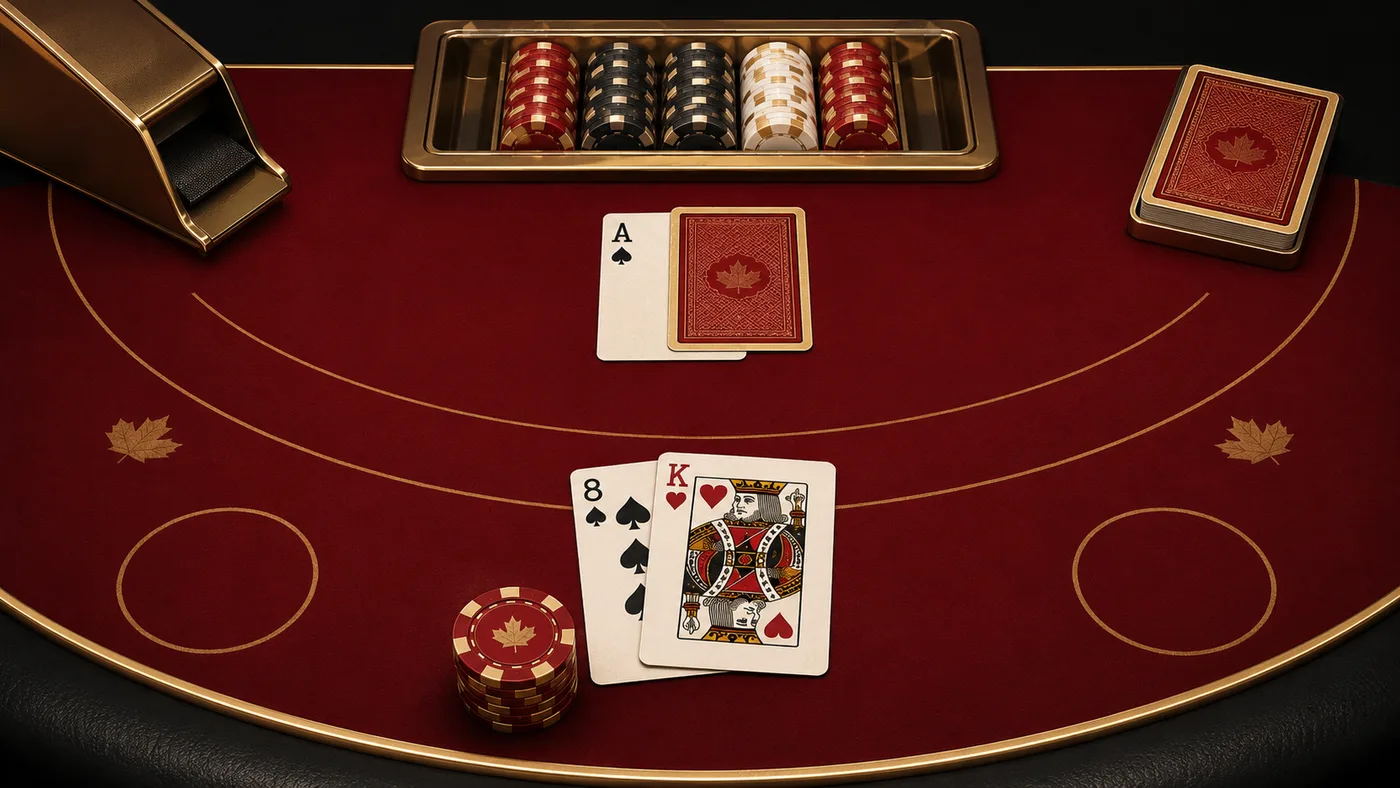
Classic blackjack is the baseline version most players imagine when they think about the game. The objective is simple: build a hand worth more than the dealer’s without going over 21. You are usually offered the familiar actions of hit, stand, split and double down, with the exact value of those actions determined by the table rules.
This version appeals to players who want the traditional feel of blackjack without extra side mechanics. It is also the easiest starting point for learning strategy because the decision tree is clearer than it is in specialty variants. If the table pays 3:2 on a natural blackjack and the rules allow reasonable doubling and splitting, classic blackjack can be one of the most practical learning environments.
- Best for players who want straightforward, recognizable rules.
- Usually the easiest format for practicing basic strategy charts.
- Always compare blackjack payout, deck count and dealer soft-17 rule.
2European blackjack
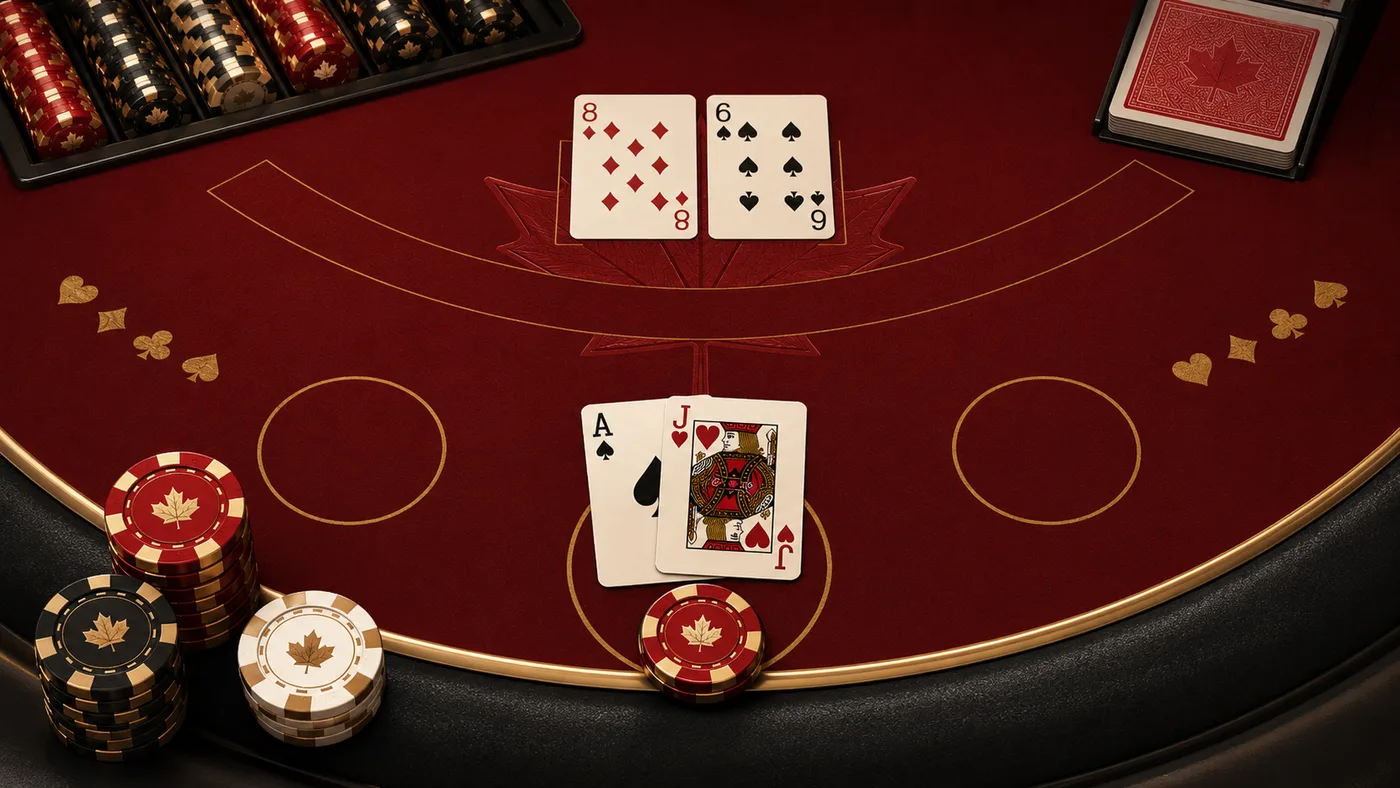
European blackjack is commonly described by its dealer-card procedure. Instead of taking a hole card immediately, the dealer usually receives one card face up and draws the second card only after all player decisions are complete. That difference matters because players can sometimes lose more value on splits and doubles if the dealer later completes a blackjack.
Many players like European blackjack because the presentation feels clean and the ruleset is easy to follow once that no-hole-card rule is understood. The key is not to assume the game is automatically better or worse than American blackjack. You still need to review the deck count, doubling permissions, surrender availability and blackjack payout before deciding whether a table is strong.
- Known for the dealer taking only one card at the start.
- Rule differences can affect the risk of doubling or splitting.
- Check whether the table uses fewer decks and whether surrender is available.
3American blackjack
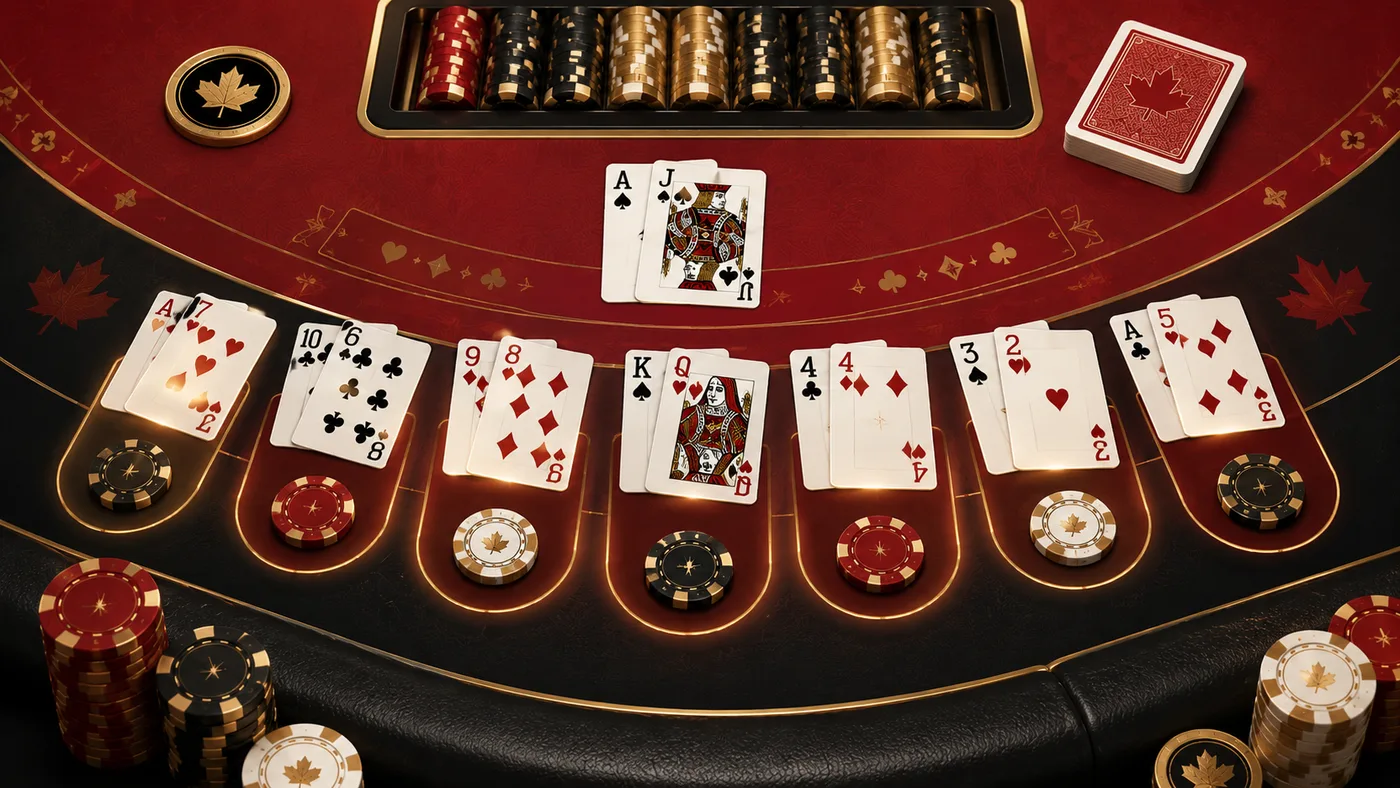
American blackjack usually deals the dealer a hole card right away. That allows the casino to check for dealer blackjack early in situations where the upcard qualifies, which can reduce some of the extra exposure found in European-style no-hole-card games. The format is extremely common in online casinos and often becomes the standard reference point for strategy discussions.
From a practical point of view, American blackjack is less about geography and more about structure. It often includes familiar options such as insurance, splitting and doubling, but the exact terms still vary. Some tables are excellent, while others attach weaker features such as a 6:5 payout or restrictive double rules. Treat the label as a starting clue rather than a guarantee of quality.
- Usually includes an immediate dealer hole card.
- Often easier to compare against standard strategy charts.
- Still requires checking payout, deck count and side-bet distractions.
4Pontoon blackjack
Pontoon is a close cousin of blackjack that uses different terminology and often a few rule twists. “Hit” becomes “twist,” “stand” becomes “stick,” and a two-card 21 is commonly called a pontoon. In many versions the dealer’s cards begin face down, and special hands such as a five-card trick may receive their own treatment.
This variant attracts players who want the blackjack core with a more distinct personality. Because Pontoon rules differ more widely than standard blackjack rules, it is essential to read the help page before playing. Pay particular attention to how the dealer qualifies, how five-card hands are handled and how a pontoon is ranked against ordinary 21 totals.
- Uses blackjack-style strategy but with variant-specific terminology.
- Bonus-style hand rankings can change decision value.
- Never assume a normal blackjack chart applies without adjustment.
5Spanish 21
Spanish 21 uses a modified deck that removes the tens while keeping the face cards, creating a distinctive 48-card composition in each deck. At first that sounds like a disadvantage for the player, which is why the game typically compensates with more liberal rule features such as late surrender, re-doubling in some versions, player 21 beating dealer 21 and bonus-style payouts on certain hands.
The result is a game that feels strategic and flexible, but also less intuitive than classic blackjack. Players who enjoy exploring rule value often appreciate Spanish 21 because it rewards careful reading of the table information. The absence of tens changes card frequency, while the liberal options can open lines that are not available in a standard game.
- Played with Spanish-style decks that remove the tens.
- Often compensates with stronger bonus or doubling rules.
- Ideal for players who enjoy comparing non-standard strategy decisions.
6Super Fun 21
Super Fun 21 is designed to feel more permissive and entertainment-focused than strict standard blackjack. Depending on the ruleset, players may find extra freedom with splitting, doubling, surrender or even hand structures that receive special treatment. The trade-off is that the game often compensates the casino elsewhere, sometimes through even-money blackjack payouts or dealer advantages in certain scenarios.
This makes Super Fun 21 exactly the kind of game where reading the rule box matters more than the marketing headline. The table can be enjoyable, especially for players who like more action, but the value is hidden in the details. A flexible game is not automatically a better game if it quietly weakens the most valuable hands.
- Often promotes extra freedom and faster, lively play.
- May include more generous-looking player options on paper.
- Always verify how natural blackjacks are paid before starting.
7Match Play 21
Match Play 21 adds an interactive layer by rewarding certain matching outcomes, commonly through side-bet or bonus-style conditions linked to ranks, suits or mirrored card combinations. The core objective still resembles blackjack, but the extra attraction is the chance to land matched-card events that create more volatility and visual interest.
For some players, that added excitement is exactly the point. For others, it can be a distraction from the standard value of the main game. If you play Match Play 21, separate the base blackjack rules from the bonus feature in your mind. A stylish side mechanic can be entertaining, but it should never distract you from checking the main table’s payout structure and strategy requirements.
- Combines blackjack decisions with a matching or side-bet style bonus angle.
- Can be more volatile than plain blackjack because of bonus emphasis.
- Best approached by evaluating the base game and bonus feature separately.
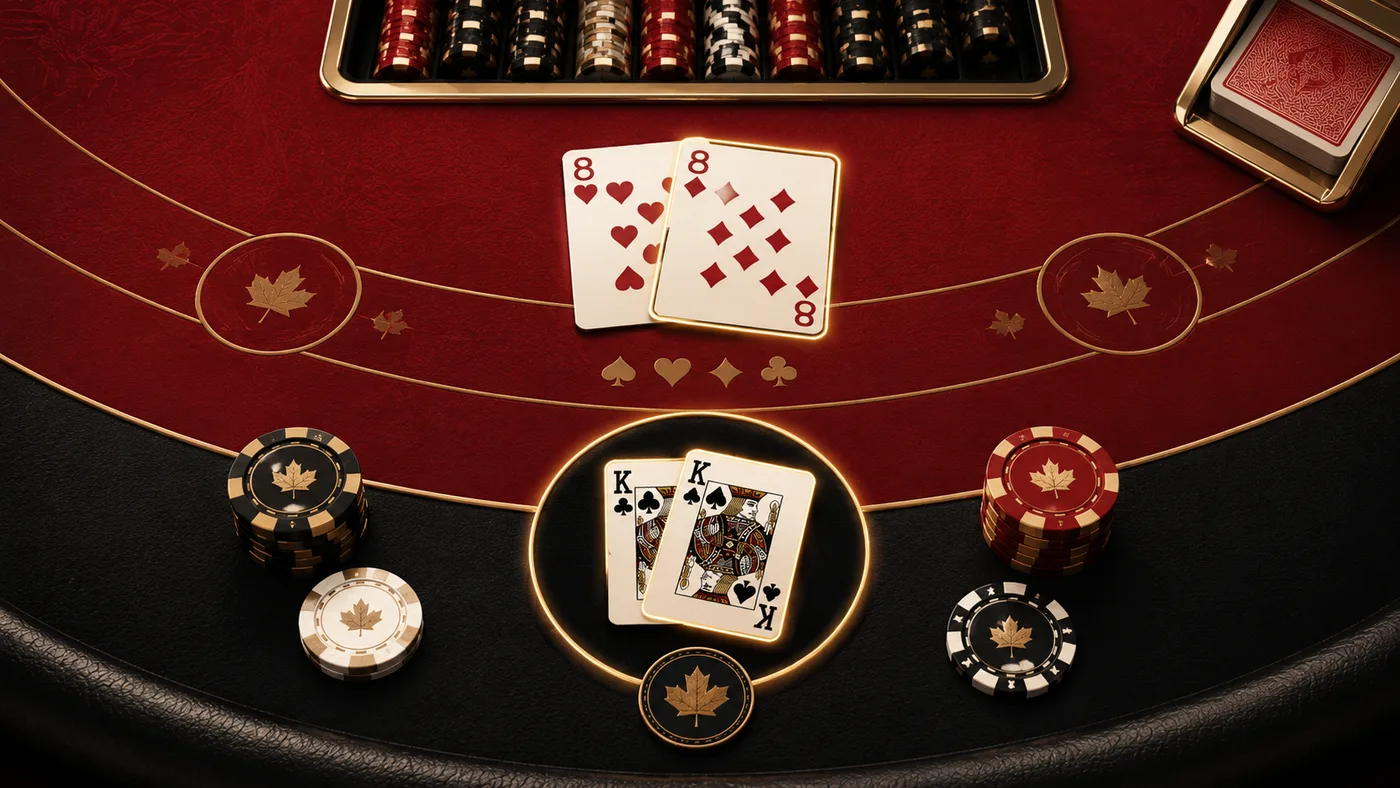
8Double Exposure / Face Up 21
Double Exposure, sometimes called Face Up 21, reveals both dealer cards from the beginning of the hand. That sounds extremely favorable because it provides more information before you act. Casinos compensate for that information edge with stricter counterbalances, commonly by making most ties lose to the dealer or altering blackjack payouts and doubling conditions.
Players who enjoy open-information decisions often find this version fascinating because the hand-reading element feels more transparent. The trap is assuming visible dealer cards automatically make the game generous. The extra information is valuable, but it is usually balanced by rules that restore the casino advantage, so the exact compensation rules are everything.
- Both dealer cards are visible before player decisions.
- Open information changes how hands are evaluated.
- Balance rules such as dealer-winning ties are crucial to review.
Blackjack variations compared
| Variation | Typical rule trait | Why players choose it | Main caution point | Best fit |
|---|---|---|---|---|
| Classic blackjack | Traditional layout and familiar actions | Simple starting point with clear strategy | Weak payout or restrictive split rules can spoil the table | Beginners and traditionalists |
| European blackjack | Dealer usually starts with one card only | Clean ruleset and classic feel | No-hole-card structure can affect doubles and splits | Players comparing table mechanics |
| American blackjack | Dealer hole card from the start | Common format with familiar charts | Some tables weaken value with 6:5 blackjack | Most general players |
| Pontoon | Variant terminology and special hand rules | Fresh take on blackjack with extra personality | Standard charts may not apply directly | Players who enjoy variant learning |
| Spanish 21 | Tens removed from the deck, liberal player rules | Strategic depth and bonus-style features | Requires careful rule reading | Intermediate and advanced players |
| Super Fun 21 | Flexible action options and lively design | More action and creative table features | Natural blackjack may pay less | Players who value variety |
| Match Play 21 | Matching-card or bonus/side feature emphasis | Extra excitement beyond the base hand | Bonus features can add volatility | Entertainment-focused players |
| Double Exposure | Both dealer cards visible | More information for decision-making | Compensating rules can be harsh | Analytical players |
Exact house edge depends on the complete rule set. The table above is a comparison framework, not a universal ranking.
Basic blackjack strategy rules
Basic strategy is a mathematically informed set of default decisions for a specific ruleset. It does not guarantee profit, but it helps reduce unforced mistakes. The quick rules below reflect the practical ideas players use most often before they graduate to a complete hand chart.
Stand on 17 or higher. Stand on 12 through 16 when the dealer shows 2 through 6, because weaker dealer upcards bust more often. Hit 12 through 16 when the dealer shows 7 or higher. Always hit 11 or lower because there is no bust risk on the next card.
Soft hands include an Ace counted as 11. Soft 18 is a key hand: many players stand against a dealer 2, 7 or 8, hit against a 9, 10 or Ace, and double against 3 through 6 when the rules allow. Soft hands are flexible, so they often support more aggressive doubles.
Always split Aces and 8s in standard basic-strategy frameworks. Never split 10s or 5s. The reason is structural: Aces and 8s usually gain value when separated, while 10s already make a strong total and 5s function better as a potential 10 for doubling.
| Situation | Usual basic-strategy response | Why it matters |
|---|---|---|
| Hard 17 or more | Stand | The hand is already strong enough that another card usually adds more bust risk than value. |
| Hard 12–16 vs dealer 2–6 | Stand | The dealer’s weak upcard gives bust potential, so waiting is often better than forcing risk. |
| Hard 12–16 vs dealer 7–A | Hit | Stronger dealer upcards often require improvement to compete. |
| Soft 18 vs dealer 3–6 | Often double if allowed | Soft hands can improve without instant bust risk, creating valuable double spots. |
| Pair of Aces or 8s | Split | These pairs are usually more valuable as two separate hands. |
| Pair of 10s or 5s | Do not split | Keep strong 20s intact and use 5s as a doubling structure instead. |
Advanced and betting strategies
Card counting
Card counting tracks the changing proportion of high and low cards remaining in the shoe. In theory, that information can influence bet sizing and close decisions. In practice, many online games shuffle too often for this to be consistently useful, and live-dealer environments may still use procedures that reduce its impact.
Progressive betting
Systems such as Martingale and Paroli increase or decrease stake size after losses or wins. They can change volatility and session feel, but they do not alter the mathematical game rules. A betting system cannot turn a poor table into a good one, and it can intensify losses quickly when limits are hit.
Table selection rules
Many experienced players start with table quality, not side bets. They prioritize 3:2 blackjack payout, dealer stands on soft 17 when available, the ability to double after splitting, and optional late surrender. Those features often matter more than cosmetic extras.
Insurance
Insurance may look tempting when the dealer shows an Ace, but it is a side bet with its own value profile. Most basic-strategy players decline it unless a counting-based reason exists in a suitable environment.
Side bets
Perfect pairs, 21+3 and similar side bets can make the game more exciting, but they usually introduce additional variance. Use them only as optional entertainment and never confuse them with value-improving strategy.
Mobile discipline
On a phone screen, mis-taps and speed can create avoidable mistakes. Slow down, make sure hit/stand/split buttons are clearly visible, and do not chase pace if the interface is cramped or unstable.
Table-selection chart: what to prioritize
These scores are not house-edge calculations. They are a quick visual guide to how strongly many strategy-focused players prioritize common rule features when choosing between otherwise similar blackjack tables.
Blackjack strategy checklist
Safer blackjack play on mobile
Blackjack feels more controlled than many other casino games because players make decisions, but it still involves financial risk and short-term variance. Fast table speed, autoplay-like rhythm in digital formats and the visibility of near-misses can all encourage longer sessions than planned.
- Use a private, secure connection for deposits and withdrawals.
- Check that your balance, stake and action buttons remain easy to read.
- Avoid alcohol, fatigue or distractions when real-money decisions are involved.
- If the game stops being entertaining or controlled, end the session immediately.
For broader safer-play support, see the site’s responsible gambling guide.
Frequently asked questions
What is the best blackjack variation for most beginners?
Classic blackjack or a simple American or European table with a 3:2 payout is usually the best place to start because the rules are familiar and the strategy is easier to learn.
Why should I avoid 6:5 blackjack when possible?
The reduced payout lowers the value of a natural blackjack compared with the traditional 3:2 return, which makes the table less attractive to many strategy-focused players.
Does basic strategy guarantee profit?
No. Basic strategy helps reduce mistakes, but it cannot remove the house edge or control short-term variance.
Is card counting useful online?
Its usefulness is limited in many online formats because reshuffling is frequent. Some live-dealer formats create more continuity, but casino procedures and game terms still matter.
What is the main difference between European and American blackjack?
European blackjack commonly starts with one dealer card, while American blackjack usually includes a hole card immediately. That difference can change risk around splits and doubles.
Which table rules matter most?
Players often prioritize 3:2 payout, dealer stands on soft 17, double after split and optional late surrender. Those rules usually matter more than flashy side-bet add-ons.